
Small Law Firm Website Design

Helping Small Law Firms & Solo Practitioners

Just because your firm is small does not mean you can’t be a mighty force to be reckoned with in the legal field. But how can you reach that level? One way is to start with a cost-effective website that delivers excellent results.

Small law firms, potentially more than other entities, are vying to outperform their competitors and attract clients through their websites. Since 2001, PaperStreet has a proven track record of crafting award-winning small law firm website designs for budding solo attorneys and established firms with decades of history. Likewise, the marketing aim for smaller practices frequently revolves around securing a top spot in search engine rankings. This often involves securing a top-tier position on Google, coupled with a captivating design that leaves a lasting impression and persuades potential clients. PaperStreet is well-equipped and eager to assist you in achieving these goals.

We have experience:  1,000 websites hosted with 750+ WordPress websites and 250+ custom websites.  We routinely average over 300 hours of support per month and over 30 support tickets per day – all with same-hour response time and same business-day updates.

4 Steps to Success for your Law Firm

Step 1: Research and Information Gathering

We start the web design process with a project brief and kick-off call. We conduct thorough interviews and compile the data derived from those interviews to begin the design process. Our team starts by gathering details about your law firm’s objectives and brand identity, working closely with you to devise a user-centric site map that aligns with your requirements. If SEO is a priority, we explore the keyword phrases most coveted by your potential clients and structure your site to boost page views and client conversions.

We’ll also introduce you to our comprehensive suite of service packages, all offered without any hidden obligations. We provide flat-rate options at the Essentials, Enterprise, and Custom levels, that way your firm knows exactly what it is spending.

Step 2: Unique Design for Your Firm’s Website

During this step, one of our designers will collaborate with you to devise a layout that meets your marketing objectives, whether they involve attracting high-net-worth clients, maximizing client conversions, ranking high in search results, or crafting an eye-catching homepage.

Step 3: Content and Marketing Strategies for Your Website

While our designers and developers are busily crafting your site, our content team starts drafting words to help your site come alive. We have a content team that specializes in writing, editing, and blogging specifically for small law firms. Our team of attorney-writers is equipped with firsthand small-firm practice experience, understanding the unique needs of solo practitioners and smaller firms with less than 10 attorneys.

If you choose to entrust us with your marketing, our SEO team collaborates with the content team to ensure optimal keyword phrase utilization and that your site features sufficient content to rank highly and beat your competitors.

Step 4: Impact – Captivate and Deliver Results with Your Firm’s Website

Finally, we build the website and test. After a rigorous quality assurance process by our team and your final review, your website is ready for launch. Besides being delighted with the design, you’ll also appreciate that:

  • You hold complete ownership of your website upon its launch.
  • You have unlimited access to our Support team for troubleshooting or updates.
  • Your website is built on WordPress®, a remarkably user-friendly platform.
  • Your website meets and even surpasses industry benchmarks for ADA compliance, responsive website design, mobile-first planning, and more.

Furthermore, you gain access to an all-inclusive digital marketing team by partnering with us. We dedicate ourselves to ensuring that your site ranks highly and successfully turns visitors into prospective clients.

Key Features Every Small or Solo Law Firm Website Should Include

Solo practitioners and small law firms don’t need fancy websites to get results. In fact, simple websites that focus on clear information, credibility, and contact details tend to perform best. Visitors to your website already have a legal problem they need help with. They don’t have time to casually browse around your website. They want answers now, so give them what they need.

Clean Design

Simple sites work best when they start with a clean design that matches your practice area and branding. Keep things streamlined and focused on who you are, what you do, where you practice, and how to contact you. Additionally, your site’s navigation should be straightforward.

Nearly every successful small firm website uses a simple framework consisting of:

  • Homepage
  • Attorney Profile / About page
  • Practice Area pages
  • Contact page with a simple contact form and phone number
  • Blog / Resources section (optional)

This framework covers all the important topics without becoming overwhelming. It’s easy to manage for solo attorneys, while still allowing for expansion as your firm grows.

Mobile-Friendly

 Many visitors will find your firm for the first time on their smartphone. Make sure your small firm website loads quickly, displays well across all screen sizes, and makes it easy for visitors to tap your phone number or fill out your contact form.

Effective Calls to Action

Finally, pay attention to calls to action. Your website should naturally guide visitors to take action and reach out to your firm, whether that means filling out a consultation form, calling your phone number, or completing a short contact form. Remember: Your website is designed to convert visitors into clients, not wow other lawyers.

Custom vs. Ready-Made Websites: Which Should You Choose?

A common question for small firm owners is whether to build a custom website or use a ready-made template. Consider the following:

Templated Websites

For solo attorneys and small firms, ready-made websites are often the best solution. These sites use a pre-built template that has already been tested to perform well for users. Let’s be clear: Templates let you get a website up and running quickly without breaking the bank.

You can still customize these sites to fit your firm. For instance, you’ll want to use your own logo, colors, photography, attorney biography, and practice area information. These elements will make the site unique to you and your brand. A ready-made website simply gives your firm everything you need to start attracting and converting clients.

Custom Websites

Alternatively, custom websites are built from scratch to meet your firm’s specific needs. They allow you to control the layout, design, and functionality of your site.
Custom websites make sense for firms that:

  • Have a well-established brand
  • Want a unique website that sets them apart from the competition
  • Need advanced features
  • Plan on running large digital marketing campaigns

Custom websites take more time and money to develop, but they offer greater flexibility and scalability.

Choosing the Right Option

Most solo and small-firm attorneys can choose either a custom or a ready-made website and do well. If you’re on a budget or want to launch your website as soon as possible, going with a clean, professional, ready-made site is better than an over-designed custom website that takes forever to launch or costs thousands of dollars. That said, many small firms start with a ready-made website, then hire a designer to custom-build one as their practice grows.

Your Website Needs Fonts That Look Professional

Believe it or not, font choice has a big impact on your website. Certain fonts are more readable, and others can help add personality to your brand. For law firms, simple and professional fonts are almost always the best choice. You want your visitors to pay attention to what you have to say, not the fancy fonts you used. Here are some tips to keep in mind when choosing fonts for your website:

  • Use one font for all headings
  • Use a readable font for paragraph text
  • Avoid decorative fonts
  • Make sure your text is large enough to read comfortably

At the very least, we encourage you to stick to a maximum of two fonts. Using too many fonts on your website can make it look cluttered and unprofessional.

Choosing Colors to Match Your Brand

Color plays a large role in how visitors perceive your brand. Using the right color palette can help you project trust, confidence, and professionalism. Most small law firm websites will use neutral colors like blue, gray, and white. You’ll often see color combinations like:

  • Navajo blue and white
  • Dark gray with gold accents
  • Forest green and cream
  • Black, white, and color accents

Blue is a popular color on law firm websites because it looks trustworthy. Neutral colors like gray, beige, and off-white can help keep your website looking clean and readable.

When choosing colors for your website, make sure they match the rest of your brand. Ideally, you should use matching colors across your logo, website, business cards, and other marketing materials.

A good rule of thumb is to use one primary brand color, one secondary accent color, and one neutral color. Using too many colors on your site can become distracting.

Choosing Appropriate Photos That Represent Your Firm

Photography is another important aspect to consider when designing your law firm website. The images you choose can make or break a visitor’s first impression.

Small law firms should always use professional photos of the attorney. Having actual photos of you helps establish trust with potential clients. They want to see who they are hiring.

Tips for selecting the best photos for your website:

  • Use a professional headshot of yourself
  • Consider adding an office photo
  • Keep images natural. You want to appear approachable, not like a deer in headlights.
  • Use high-quality photos that are well-lit

Stock photos can be helpful, but use them sparingly. You don’t want your website to look too generic. The best law firm websites will use a combination of real attorney photos and high-quality stock photos.

Why You Should Invest in Professional Web Design

It’s tempting for solo attorneys to save money by building their own website with a DIY website builder. While websites created this way may look decent, they usually lack many features that help your website convert.

Benefits of a professionally designed small firm website include:

  • A more professional look
  • Mobile-friendly design
  • Fast load times
  • Search engine optimized
  • Technical support and website updates

Remember, your website might be the first thing someone learns about your law firm—make a good impression by hiring a professional to design your website.

Create Your New Small Law Firm Website Today

If you’re a small firm or solo practitioner, a new website can help you outrank the competition and attract prospective clients through a stronger online presence. At PaperStreet, we’re here to help you build a well-designed website that converts. Contact us now to see how we can create the perfect site for your firm.

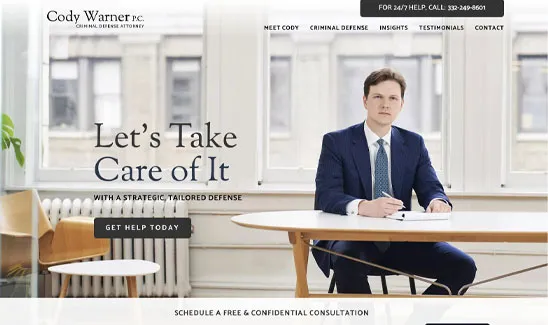
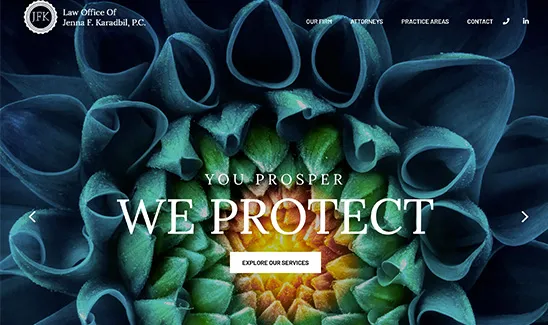
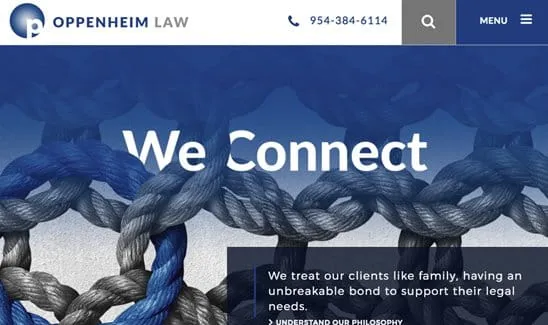
Examples of our Best Small Law Firm Website Designs

Just a few, we have hundreds more.

Creating Award-Winning Designs for Small Businesses

We offer marketing and design packages to meet every budget for every size law firm. See what we can do for you!

Latest Articles

Our 7 Guarantees

Keeping 2,000+ Clients Happy Since 2001.

1
You Will Love Your Design We design to please you and your clients
2
Same-Day Support 24-hour turnaround edits during business hours
3
Free Education We provide knowledge to help you expand
4
No Hidden Charges We quote flat-rate projects
5
Own Your Site No strings attached
6
We Create Results SEO, PPC, content + design = clients
7
We Make Life Easier One agency for web, branding and marketing